Nutraceuticals

Magnesium and Longevity: The Youth Mineral for Healthy Aging

Magnesium the youth mineral - Diamond Nutraceutical

Magnesium is not just a simple supplement; it is a fundamental pillar of human biology. Involved in over 300 biochemical reactions, this mineral acts as a silent conductor, coordinating everything from protein synthesis to the production of vital energy.

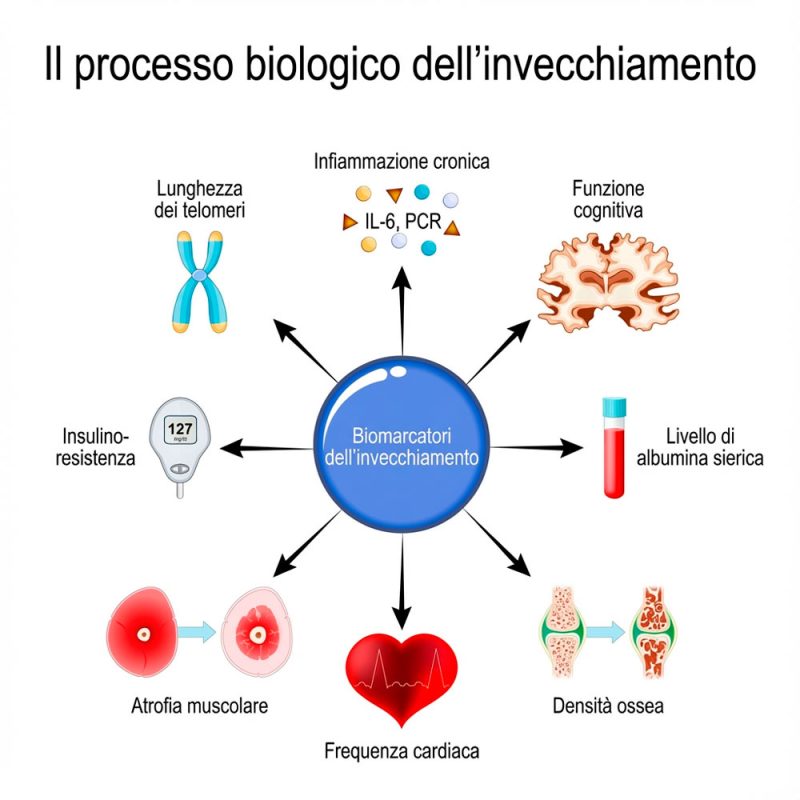
However, there is a hidden challenge: as we age, our bodies become less efficient at absorbing magnesium through the intestines, while tending to excrete more of it. This progressive deficit is not trivial. Modern science has linked low magnesium levels to the classic "hallmarks of aging," including oxidative stress, chronic inflammation, and epigenetic alterations.

1. The Guardian of DNA and Cellular Health

The role of magnesium goes far beyond simple bone health. It is a critical cofactor for the stability of our genome. Without adequate magnesium levels, the body's repair mechanisms struggle to keep up with daily damage.

  • DNA Repair and Stability: It acts as an essential cofactor in enzymes that repair DNA damage and support its correct replication.

  • RNA Transcription: It is fundamental for translating genetic instructions into functioning proteins.

  • Muscle Protection: It activates the mTOR signaling pathway, crucial for maintaining muscle integrity and preventing sarcopenia (age-related muscle loss).

Please Note: A chronic deficiency can alter entire biochemical pathways, potentially accelerating the functional decline typical of advanced age.

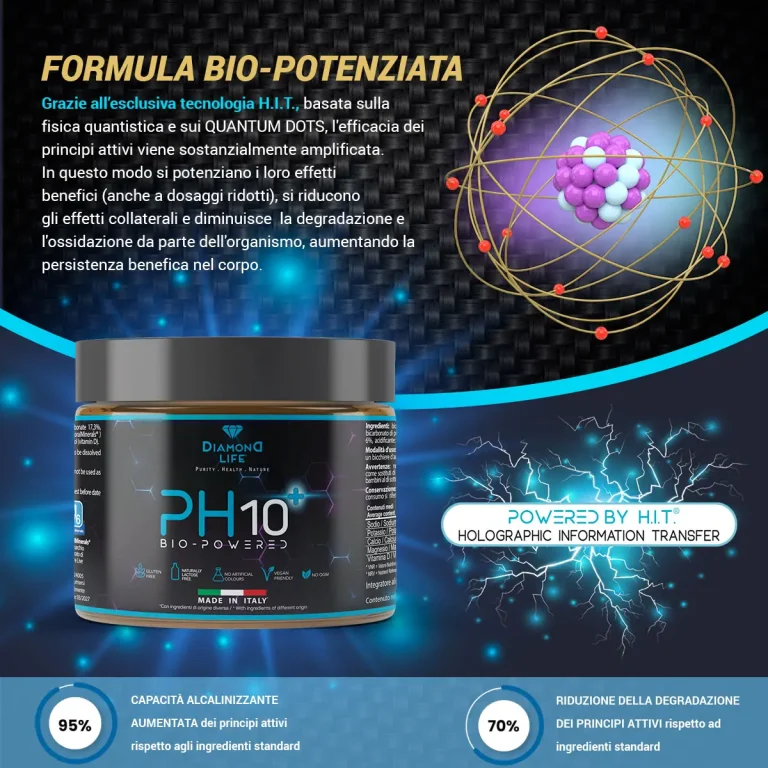
Consider these Nutraceuticals for Magnesium deficiencies

2. Telomeres and Mitochondria: The Engine of Vital Energy

To understand the true anti-aging power of magnesium, we must look inside our cells, specifically at telomeres and mitochondria.

Telomere protection

Telomeres are the protective caps at the ends of our chromosomes; their reduction is one of the most evident markers of aging.

  • Magnesium helps telomeres maintain their structure within the nucleus.

  • Preclinical evidence suggests that magnesium deficiency compromises the activity of telomerase, the enzyme that repairs telomeres, especially in heart cells (cardiomyocytes).

3. Neuroprotection: Magnesium and the Brain

The brain is the most energy-hungry organ in the human body and, consequently, the most sensitive to drops in energy efficiency.

Since magnesium is an indispensable cofactor in the citric acid cycle (the process that generates energy), it uniquely supports neuronal function during aging. It helps maintain protein integrity in the brain and influences intracellular communication pathways, including those related to sugar metabolism, thereby protecting mental clarity and reducing the risk of neurodegeneration.

4. Nutritional Strategies: How to Optimize Absorption

It is not enough to know that magnesium is important; one must know how to take it effectively, especially when natural absorption declines with age.

The Best Food Sources

  • Leafy green vegetables (spinach, chard).
  • Nuts and seeds (pumpkin seeds, almonds, walnuts).
  • Legumes and whole grains.

The Secret of Bioavailability

Eating foods rich in magnesium is the first step, but to maximize the effect, it is necessary to pair them with the right "allies." The bioavailability of magnesium increases significantly in the presence of:

  • Vitamin B6
  • Vitamin D
  • Fermentable fibers (prebiotics)

Choosing unprocessed foods and paying attention to nutrient pairing is the key to transforming your diet into a true longevity therapy.

Leave a Reply

Your email address will not be published. Required fields are marked *